
Storm Damage Roofing in Northeast Indiana
Inspection and visible-condition documentation after wind, hail, and severe weather, followed by practical repair or replacement recommendations.
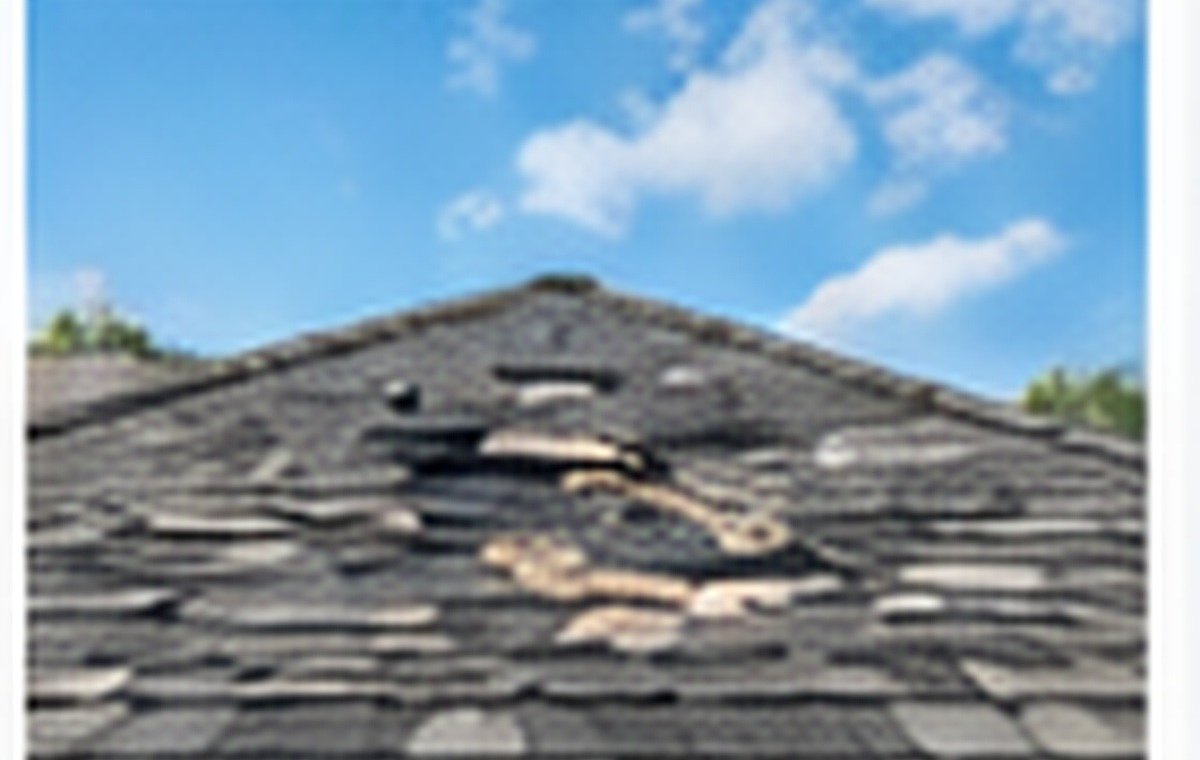
After a Storm, Start With the Condition of the Property
Wind, hail, fallen debris, and severe weather can affect roofing and exterior components in different ways. The first useful step is not assuming the roof needs replacement. It is inspecting and documenting what is visible.
We look at relevant roofing surfaces and exterior components, document visible conditions, and explain whether the next step appears to be repair, replacement, or continued monitoring.
What We Document After a Storm
Depending on the property, documentation may include roofing surfaces, vents, soft metals, flashing, gutters, downspouts, siding, window screens, and other exterior components that provide useful context about the event. Photos and notes should distinguish visible conditions from assumptions about coverage.
Our guide to wind damage to roof shingles explains missing, lifted and creased shingles and the next steps to take.
Storm Damage Versus Normal Aging
Roofing materials change as they age. Granule loss, installation characteristics, foot traffic, old repairs, manufacturing patterns, thermal movement, and ordinary weathering can sometimes be confused with storm impact. Context matters, which is one reason dated roof documentation can be useful.
Insurance Coverage
A roofing contractor can document visible property conditions and provide a scope for needed work. The insurance carrier determines whether the loss is covered, what policy terms apply, and what amount is payable. We do not promise that visible damage automatically creates insurance coverage.
What to Do After Severe Weather
If you suspect damage, avoid climbing onto a wet, steep, or damaged roof yourself. Photograph obvious ground-level damage, note the date of the storm, protect interior areas from active leaks when it is safe to do so, and schedule a professional inspection. If insurance may be involved, keep records of communications and property documentation.
Why pROOF™ Fits This Problem
Annual Roof Protection gives homeowners a dated record of visible roof condition before a future event occurs. If a storm later passes through, the homeowner can have a new inspection and compare what is visible now with what was documented previously.
Plan your next step
Compare roof repair options, review roof replacement details, or explore our roofing guides. See all Northeast Indiana service areas.