
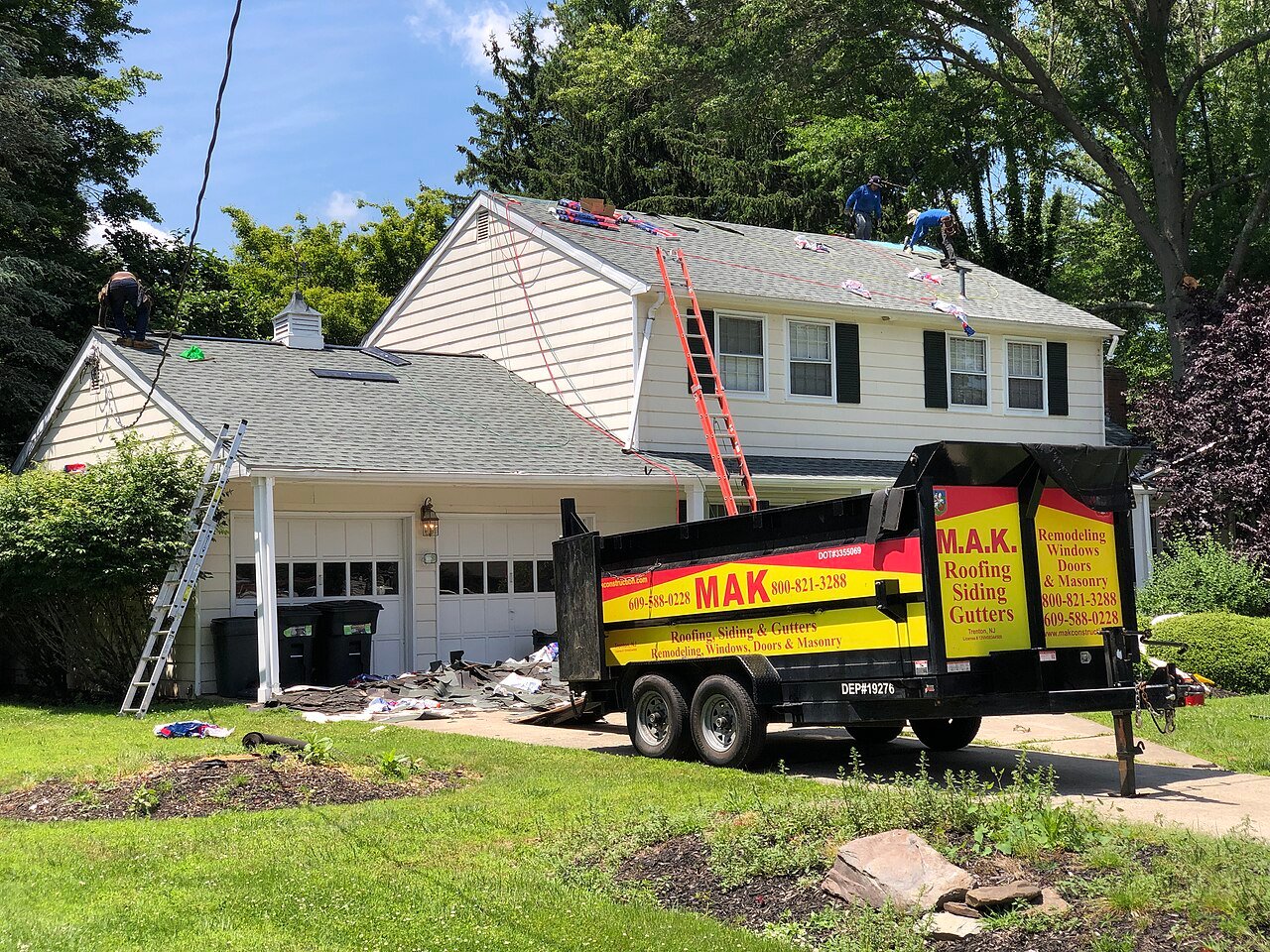
For many average-size homes, an asphalt shingle roof replacement takes about one to two working days. That is a useful planning estimate, not a promise. The real schedule for a Fort Wayne home depends on size, pitch, access, the number of layers being removed, weather conditions and what the crew finds after the old roofing system comes off.
GAF’s planning guidance says an experienced roofer can often remove old materials and install a new roof in two working days, while larger or more complex projects and concealed structural damage can add time. The best way to get an honest schedule is to have the contractor assess your roof and explain what could change the plan before work begins.


The typical Fort Wayne roof replacement timeline
A straightforward asphalt shingle replacement on an average home will often fit into a one- to two-day installation window once materials, scheduling and site preparation are complete. A small, simple roof may move faster. A large home with steep sections, dormers, valleys, skylights or multiple connected additions can require more time.
The installation window is also different from the full project schedule. Choosing materials, finalizing the scope, arranging delivery and waiting for a workable weather window all happen before the crew begins the tear-off. When you ask how long a roof replacement takes, ask for both dates:
- The expected time from approval to the scheduled start.
- The estimated number of working days from material removal through cleanup.
For a project-specific answer, start with a roof inspection or review the company’s replacement service.
If you need a new roof, ask the roofer what it would take to replace your roof and why the right roofing material matters for your home.
What happens during the roof replacement process?
Understanding the sequence makes the timeline easier to evaluate. The exact order can vary by home and selected material, but a full replacement commonly includes the following steps.
1. Property protection and material setup
The crew prepares access, protects appropriate areas around the house and stages tools and materials. A dumpster or trailer may need space in the driveway. The household should know where vehicles, pets and children need to be while work is underway.
2. Removal of the old shingles
The existing shingles and related materials are removed so the underlying surface is visible. Removal speed depends on overall size, pitch, access and whether more than one layer must be removed. This is also when concealed conditions become visible.
3. Deck inspection and repairs
The crew checks the exposed surface for deteriorated, soft or damaged sections. If decking replacement is needed, it can add both materials and time to the project. A responsible estimate should explain how unexpected deck repairs will be documented and approved instead of treating them as a vague surprise.
4. Underlayment, flashing and edge details
Once the deck is ready, the new system can include underlayment, ice and water shield where required by the planned assembly, drip edge and flashing details. Valleys, sidewalls, chimneys, plumbing vents and other penetrations deserve careful work because shortcuts here can create future leak paths.
5. Shingle installation and ventilation
Asphalt shingles, starter materials and ridge components are installed according to the selected system. The contractor should also address planned ventilation components and explain any changes from the proposal. Metal panels follow a different installation process and may require more time than a typical project.
6. Cleanup and final review
Debris is removed, accessible ground areas are checked for nails and the completed work is reviewed. Cleanup is part of the replacement project, not an optional extra. Ask what the final walkthrough covers and when remaining materials or the dumpster will leave the property.
Seven factors that affect how long a roof replacement takes
How roof size affects the schedule
More square footage means more material to remove and install. Area alone is not the whole story, but overall size is one of the clearest schedule drivers.
Roof pitch, height and complexity
A simple low-slope gable is different from a steep roof with multiple valleys, dormers and intersecting sections. Complex access and detail work can slow production even when two houses have similar square footage.
Existing layers and tear-off conditions
Removing one layer of asphalt shingles is not the same as removing multiple layers or a heavier product. The contractor should determine as much as possible during the inspection and state the planned removal in the written scope.
Hidden roof damage
Deck problems, deteriorated trim or damaged flashing may not be fully visible until removal begins. Concealed problems are one of the most common reasons a project requires more time than the initial estimate. Ask how the crew will photograph the condition and explain the repair before continuing.
Weather conditions in Northeast Indiana
Rain, high wind, wet surfaces and unsuitable temperatures can interrupt installation. A contractor should not keep working merely to protect a promised finish time when conditions make the work unsafe or conflict with material requirements. Fort Wayne homeowners should ask how an exposed section will be protected if weather changes and what conditions trigger a delay. In Fort Wayne, weather is an important scheduling factor; spring through early fall can still bring rain, high winds and heat that affect safe working conditions.
Roofing material type and availability
Standard shingle work generally follows a different schedule from standing seam metal roofing or specialty materials. Product availability, delivery timing and accessory components can affect the start date even when the on-roof work is efficient.
Site access and logistics
Driveway access, landscaping, close neighboring homes, overhead obstacles and limited space for debris handling can affect production. Show the contractor any access restrictions before the replacement begins.
Roof replacement cost, roof type and the typical timeline
Cost and timing are separate. Roof replacement cost depends on scope and materials, while the typical timeline is driven by area, pitch, access and weather. An aging roof can reveal deck work after removal, and a complete roof replacement includes site preparation, removal, substrate review, underlayment, installation and cleanup.
The choice between shingles or metal also changes the sequence. If you are wondering how long it takes for your specific home, ask for a written roof replacement project schedule tied to the selected material and expected crew size.
What can extend the replacement schedule?
A one-day claim may sound attractive, but speed should never replace a defined scope. A project can take longer because of:
- Additional sheathing discovered after material removal.
- Detailed flashing work around chimneys, walls, skylights or dormers.
- Multiple roof levels or difficult material access.
- A larger crew being unavailable for part of the schedule.
- Weather delays or wet surfaces.
- Special-order shingles, metal panels or matching components.
- Local inspection or scheduling requirements that apply to the project.
None of those automatically means the roofing company planned poorly. The useful question is whether the contractor explained the risk, protected the home and communicated the revised timeline clearly.
How Fort Wayne homeowners can prepare before roof installation
Good preparation does not change the project size, but it can prevent avoidable delays and protect your property. Confirm the contractor’s instructions because every site is different.
- Move vehicles before the crew arrives and keep the driveway clear for agreed deliveries or debris equipment.
- Remove fragile wall hangings or items that could be affected by vibration.
- Keep children and pets away from work zones and falling-debris areas.
- Unlock gates and identify exterior outlets only if the contractor asks.
- Mark sprinkler heads, low landscape lighting or other easy-to-miss features.
- Tell the contractor about attic access, prior leaks and known electrical or structural concerns.
- Confirm who will update you if the schedule changes.
GAF also advises homeowners to clear exterior clutter, plan space for delivery and debris equipment, protect fragile interior items and keep children and pets safe during the project.
Questions to ask a roofing contractor about the schedule
A useful project schedule is supported by a clear plan. Ask each contractor:
- How many working days do you expect for this specific roof?
- What assumptions is that estimate based on?
- What deck repairs are included, and how are additional repairs approved?
- How will the home be protected if weather interrupts material removal?
- Who will communicate delays and the revised completion date?
- When will cleanup, the final review and debris removal occur?
- Are material delivery and any required local steps already included in the schedule?
If a contractor gives a precise finish time without inspecting the home or discussing weather and concealed conditions, the certainty is not especially useful. You want a realistic range with clear conditions, not a rushed promise.
When a longer schedule makes sense
Not necessarily. A complex installation can require more time than a simple shingle replacement. Careful flashing, deck repairs and site protection matter more than winning a speed contest. On the other hand, unexplained inactivity, poor cleanup or repeated missed dates deserve direct questions.
Compare the written scope, planned crew, materials and communication process—not just the number of days. If you are still deciding whether repair or replacement makes more sense, read repair or replacement guide
How far ahead should you schedule the work?
The installation itself may take one or two days, but the start date depends on contractor workload, material selection and weather. Ask for an expected scheduling range when you approve the project. If timing matters because of travel, interior work or a property closing, say so before signing the scope.
Cold-weather planning deserves its own conversation. See Fort Wayne winter installation guide for the factors that can make postponing reasonable.
Fort Wayne roof replacement services and scheduling
The typical schedule is a starting point. Your house needs its own measurements, inspection and project scope because every home has different roofing needs. On Time Exteriors serves Fort Wayne, Indiana, and nearby Northeast Indiana communities.
You can get an initial roof price online or schedule a roof inspection to discuss the condition, material choices and a realistic schedule.
Educational source: GAF, “How Long Does It Take to Replace a Roof?” Reference to GAF does not imply certification or endorsement.